Notebook
,
N°
2
The relationship between diet and skin is no longer speculative. Research increasingly confirms what traditional medicine long asserted: what we eat shapes the inflammatory environment of the body, and that environment is written on the face.
The Gut-Skin Axis
The skin and the gut share more than a common embryological origin. They communicate continuously through the gut-skin axis — a bidirectional relationship mediated by the microbiome, immune signalling, and hormonal pathways. Dysbiosis in the gut (an imbalance of microbial populations) has been associated with acne, rosacea, eczema, and accelerated skin ageing.
This does not mean that every skin condition has a dietary cause. But it does mean that diet is always relevant, and often more influential than any topical product.
What the Research Supports
Omega-3 fatty acids (found in oily fish, flaxseed, walnuts) reduce the production of pro-inflammatory eicosanoids and have been shown to improve skin hydration, reduce transepidermal water loss, and calm inflammatory skin conditions.
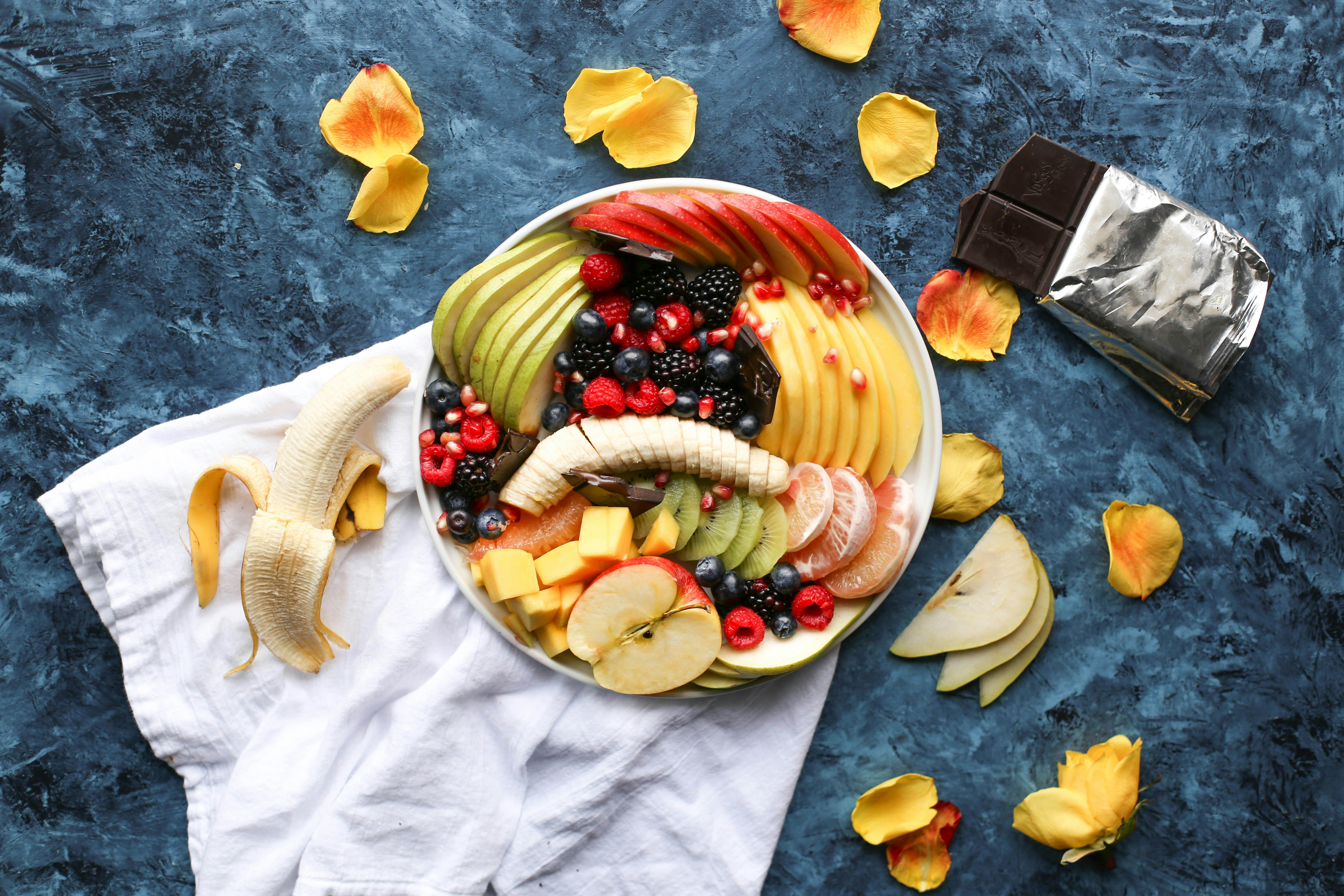
Polyphenols — the compounds that give berries, green tea, dark chocolate, and olive oil their colour and bitterness — are potent antioxidants that neutralise the free radicals generated by UV exposure and environmental pollution before they can damage collagen and DNA.
Zinc supports wound healing, regulates sebum production, and has antimicrobial properties relevant to acne. It is found in pumpkin seeds, shellfish, legumes, and beef.
Fermented foods — kefir, miso, kimchi, natural yoghurt — support a diverse gut microbiome, which in turn moderates systemic inflammation.
What to Reduce
High-glycaemic foods trigger insulin spikes that stimulate sebum production and promote the inflammatory cascade. Ultra-processed foods displace the whole foods that provide the micronutrients skin requires. Excessive alcohol is acutely dehydrating and chronically inflammatory.
None of this requires perfection. It requires direction.
— A NOTE IN THE MARGIN
"Inflammation is not your enemy. Chronic, unresolved inflammation is. There is a difference, and it changes everything."
Notes & references
Note 1
The Hydration Question
Hydration is foundational but frequently misunderstood. Eight glasses of water per day is a rough heuristic — what actually matters is consistent intake relative to your body weight, activity level, and the humidity of your environment. Pale yellow urine is the most reliable guide.
Note 2
On dermal remodelling
Collagen synthesis, by contrast, is patient work — measured in months, not weeks. Most clinical endpoints in the literature land between week 12 and week 24 post-stimulus.
Note 3
A note on this piece
Written in the consultation room over four mornings. Edited with Helena Park. Errors are ours; the patience is the body's.
Speciality
— Ch. 05 · Continue reading