
Notebook
,
N°
1
When a client tells us their skin has suddenly changed and nothing in their routine has, we always ask the same question: what has changed in your life? The answer, more often than not, reveals everything.
The Cortisol Cascade
Stress activates the hypothalamic-pituitary-adrenal axis, triggering the release of cortisol — the body's primary stress hormone. In short bursts, cortisol is adaptive. Chronically elevated, it becomes one of the most destructive forces in the body.
For the skin, cortisol has several direct effects. It stimulates sebaceous gland activity, increasing oil production and the likelihood of comedone formation. It degrades collagen by upregulating the enzymes (matrix metalloproteinases) responsible for its breakdown. It slows wound healing. It disrupts the skin's microbiome. And it increases intestinal permeability — the gut-skin axis at work again.
The Inflammation Loop
Stress also activates mast cells in the skin, which release histamine and other pro-inflammatory mediators. This is why rosacea flares during tense periods, why eczema worsens before difficult events, why acne clusters around the jaw and chin — regions richly innervated by stress-responsive nerves — in people going through hard times.
The inflammation loop is self-reinforcing: skin that is inflamed and reactive causes psychological distress, which elevates cortisol further, which worsens the skin. Breaking the loop requires addressing both sides simultaneously.
What Actually Helps
Topical interventions alone are insufficient when the driver is systemic. Alongside barrier-supportive skincare, the most effective interventions are physiological: consistent sleep, regular movement (particularly lower-intensity exercise like walking and swimming, which does not spike cortisol the way intense training can), breathwork, and the reduction of stimulant load.
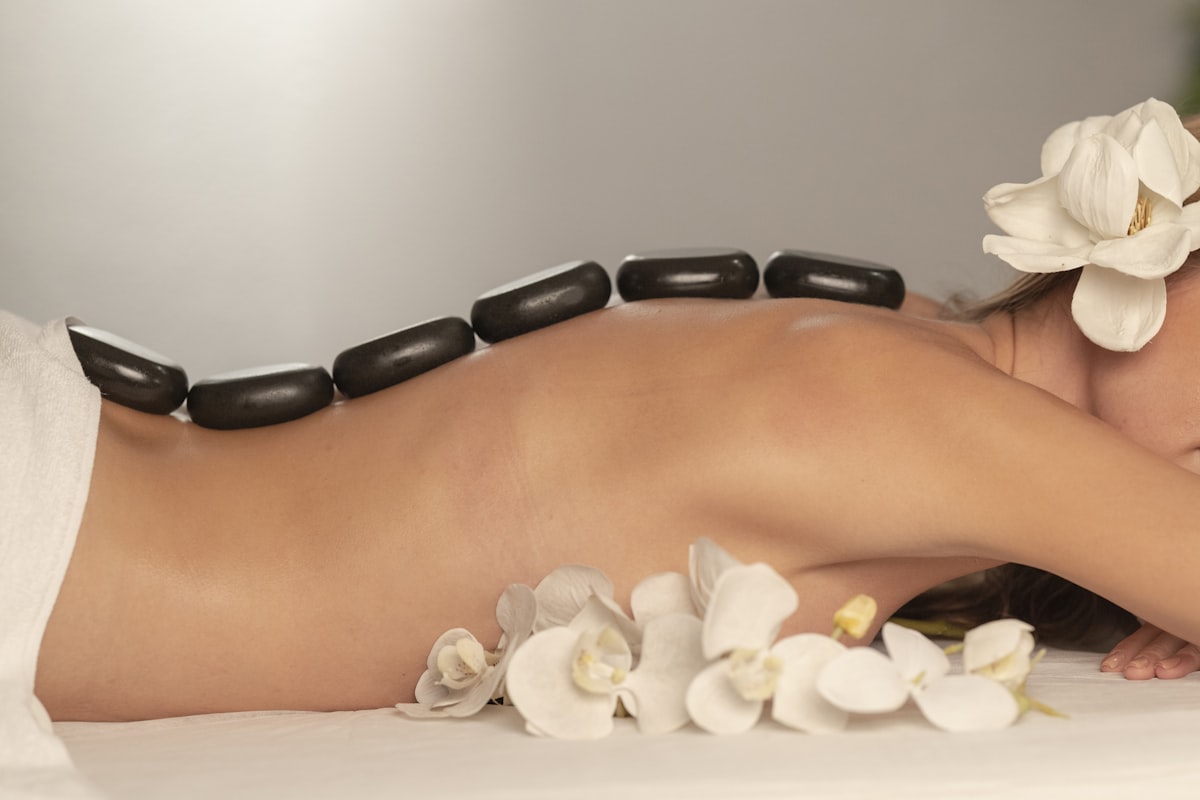
Treatments that work on the nervous system directly — massage, lymphatic drainage, even a well-designed facial — are not luxuries in this context. They are part of the clinical picture.
— A NOTE IN THE MARGIN

"Stress does not cause skin conditions. But it reliably worsens every single one of them."
Notes & references
Note 1
The Fastest Stress Reset
Physiological sigh — a double inhale through the nose followed by a long exhale through the mouth — is the fastest known method for reducing acute stress. Stanford research has shown it downregulates the sympathetic nervous system more rapidly than any other conscious breathing technique.
Note 2
On dermal remodelling
Collagen synthesis, by contrast, is patient work — measured in months, not weeks. Most clinical endpoints in the literature land between week 12 and week 24 post-stimulus.
Note 3
A note on this piece
Written in the consultation room over four mornings. Edited with Helena Park. Errors are ours; the patience is the body's.
Speciality
— Ch. 05 · Continue reading