
Atelier
,
N°
3
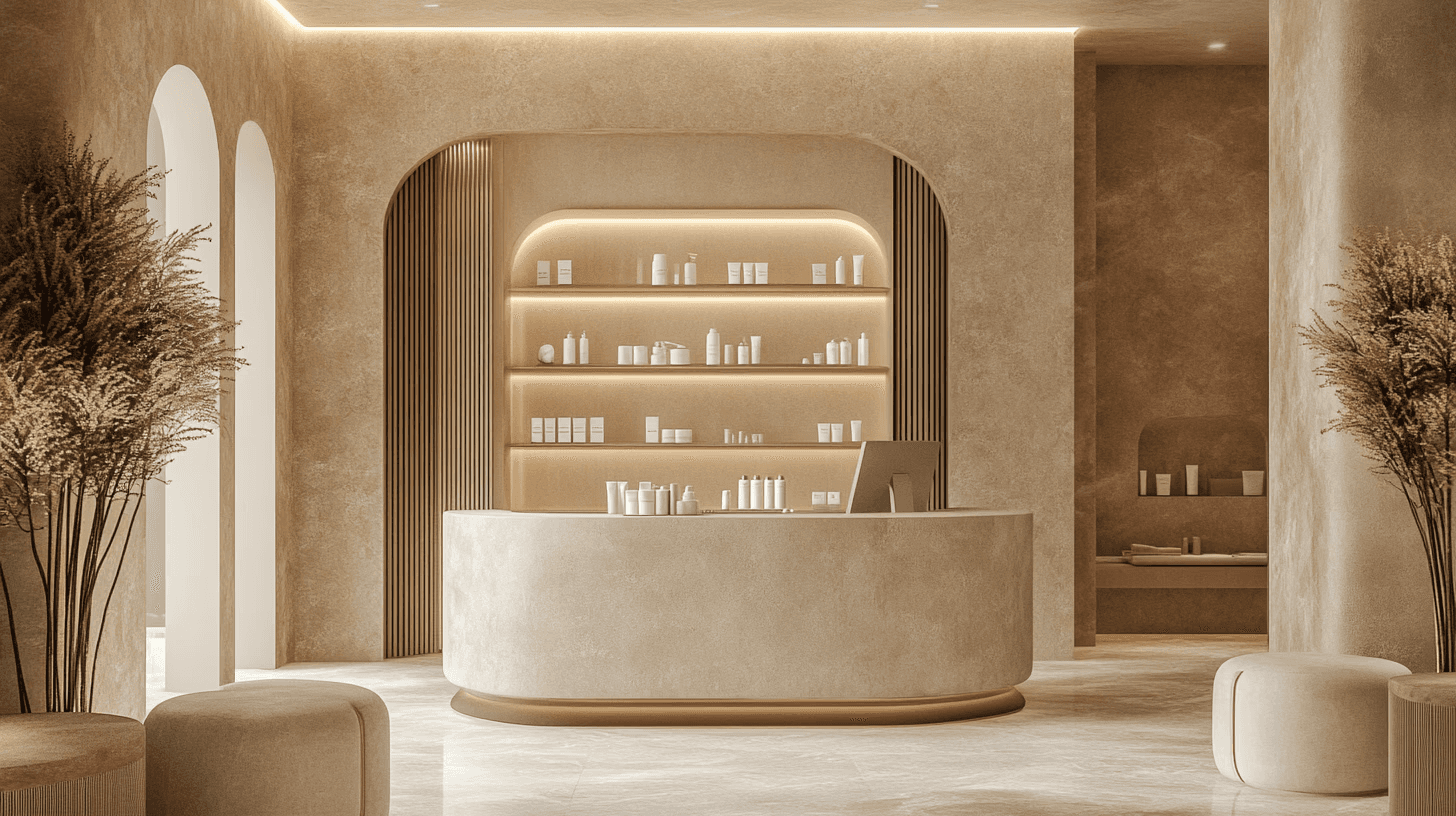
The room you walk into before a treatment begins its work the moment you cross the threshold. Light, scent, temperature, texture, silence — every element is a decision. Here is how we think about designing a space that heals before anything is applied.
The First Impression Is Physiological
Before a therapist's hands make contact, the nervous system has already begun to respond to the environment. A room that is too bright keeps the sympathetic nervous system activated. A room that smells of cleaning products rather than botanicals creates a clinical rather than restorative association. These are not subtle differences — they have measurable effects on cortisol levels and the ease with which a client relaxes.
We design our treatment rooms with the nervous system as the primary client.
Light
Overhead lighting is used only for preparation. During every treatment, it is replaced by low-level warm light sources — table lamps, wall sconces, and in some rooms, candlelight. The colour temperature is kept below 2700K throughout. Above that threshold, the light registers as daylight to the brain and maintains alertness.
Natural light, where it exists, is filtered through linen rather than blocked entirely. The goal is diffusion, not darkness.
Scent Architecture
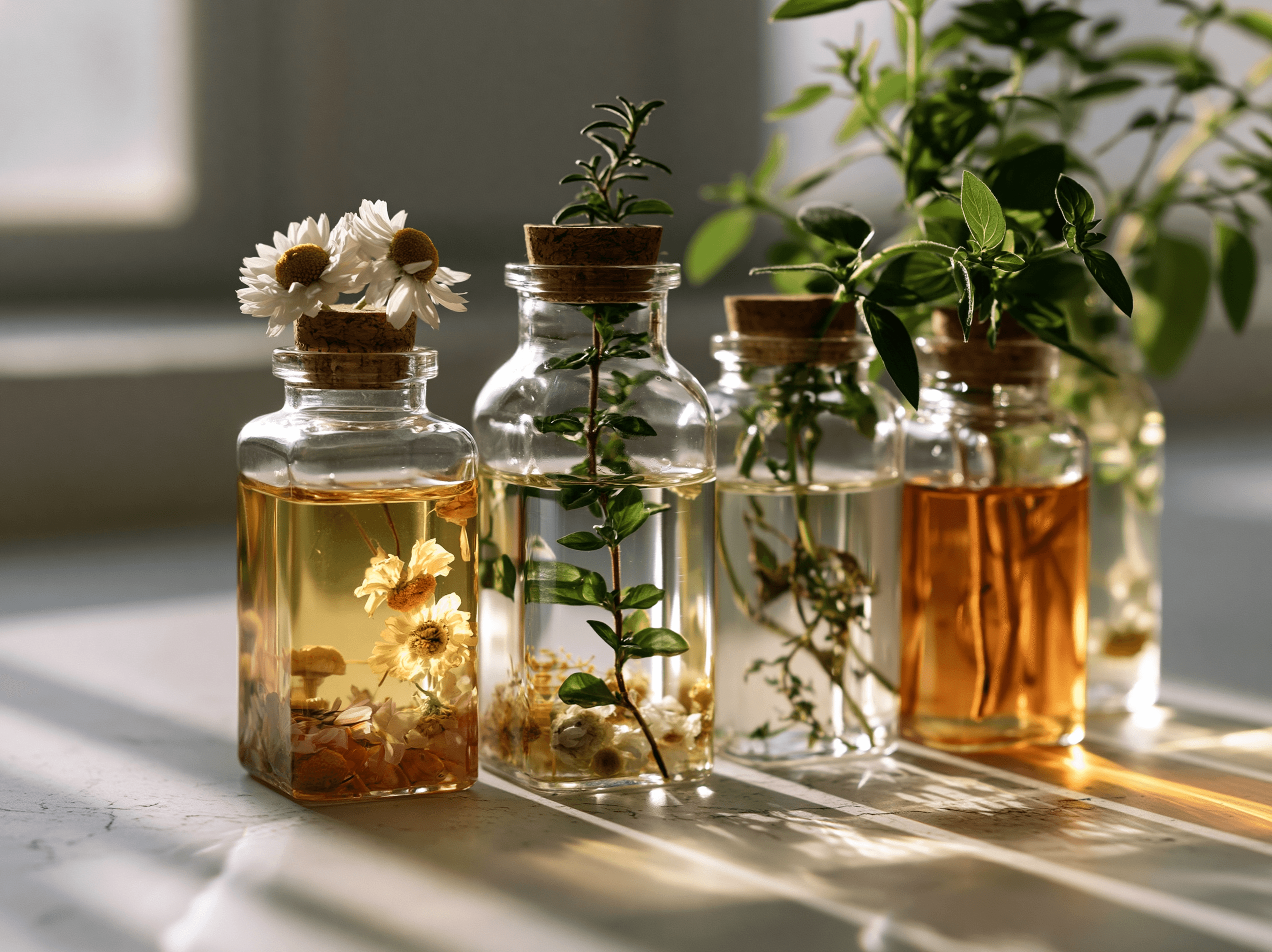
We think of scent in layers. The ambient layer — delivered by a cold-air diffuser rather than heat, which degrades essential oil molecules — is always the lightest. Our signature room blend is built around sandalwood, frankincense, and a trace of neroli: grounding, warm, and barely perceptible as a distinct fragrance.
The treatment layer — the oils and balms applied to the skin — is richer and more specific to each protocol. It sits closer, more personal, and lingers longer.
Temperature and Texture
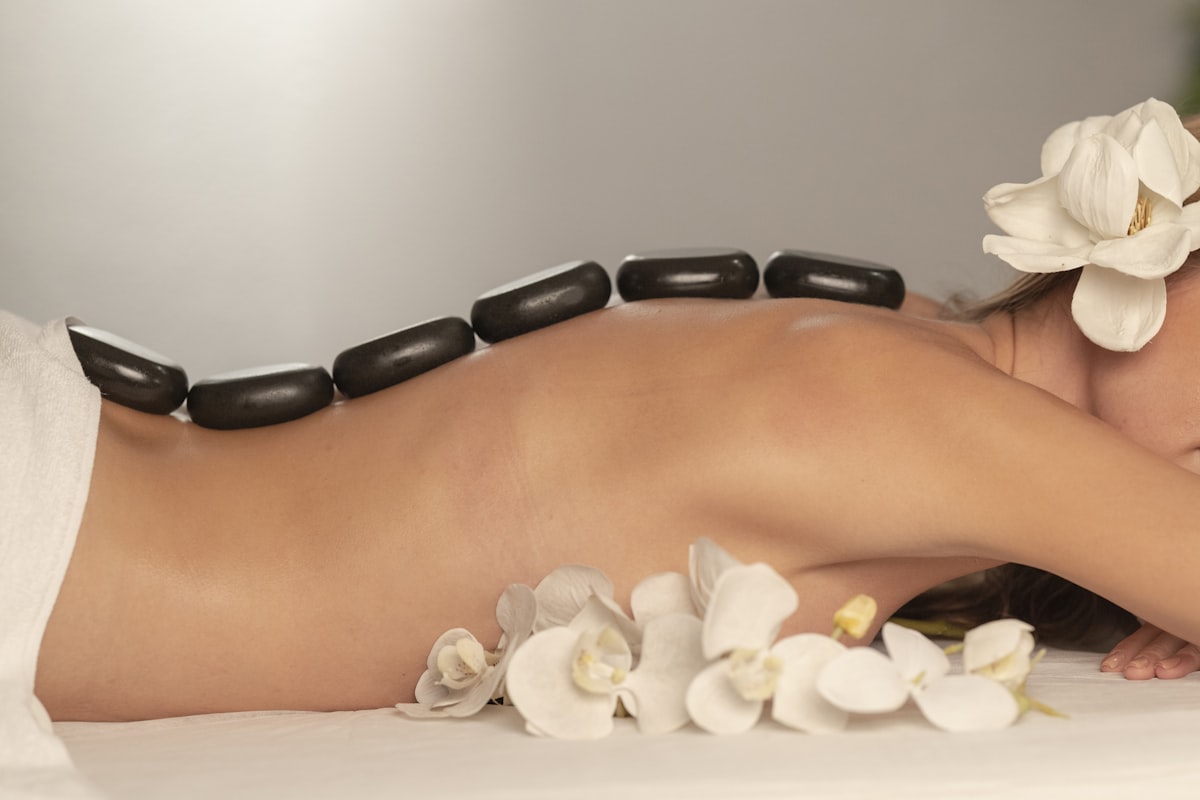
The room is kept at 22 to 23 degrees Celsius — warm enough for comfort on undressed skin, cool enough to avoid drowsiness. Linens are pre-warmed. The treatment table has a memory foam surface beneath the sheet. These details are invisible when done correctly; they are only noticed when absent.
Sound
Silence, mostly. Where music is used, it is acoustic, unhurried, and without lyrics. Lyrics engage the language centres of the brain and prevent the kind of deep quiet we are trying to cultivate.
— A NOTE IN THE MARGIN

"The ritual of preparation is not separate from the treatment. It is the first layer of it."
Notes & references
Note 1
Why Cold Diffusion
We use cold-air diffusion exclusively. Heat diffusers burn essential oil molecules at temperatures that alter their chemical structure and diminish their therapeutic effect. Cold diffusion preserves the integrity of every compound in the blend.
Note 2
On dermal remodelling
Collagen synthesis, by contrast, is patient work — measured in months, not weeks. Most clinical endpoints in the literature land between week 12 and week 24 post-stimulus.
Note 3
A note on this piece
Written in the consultation room over four mornings. Edited with Helena Park. Errors are ours; the patience is the body's.
Speciality
— Ch. 05 · Continue reading