Skin
,
N°
7
Redness, flaking, breakouts, sensitivity that appeared from nowhere — these are not random. Your skin barrier is a living system, and when it falters, it communicates. Learning to read those signals is the first step toward skin that genuinely heals.
What Is the Skin Barrier, Exactly?
The stratum corneum — the outermost layer of the skin — is often described as a brick wall. The skin cells are the bricks; the lipids (ceramides, fatty acids, cholesterol) are the mortar. When the mortar is intact, the wall holds. It keeps moisture in and irritants, bacteria, and environmental aggressors out.
When the mortar degrades, the wall becomes permeable. Water escapes. Irritants enter. Inflammation begins. This is barrier dysfunction — and it is far more common than most people realise.
The Signals
Tightness and dehydration are typically the first signs. The skin feels dry not because it lacks oil, but because it is losing water faster than it can retain it. This is transepidermal water loss (TEWL), and it is measurable.
Redness and reactivity suggest the barrier has become permeable enough to allow environmental triggers — fragrance, temperature change, even touch — to provoke an inflammatory response.
Breakouts in unusual places can indicate a compromised barrier that is allowing bacteria and debris to penetrate where they previously could not.
Stinging from products that never bothered you before is a reliable sign of acute barrier damage. When even a gentle toner stings, your skin is telling you clearly: stop, simplify, repair.
The Path Back
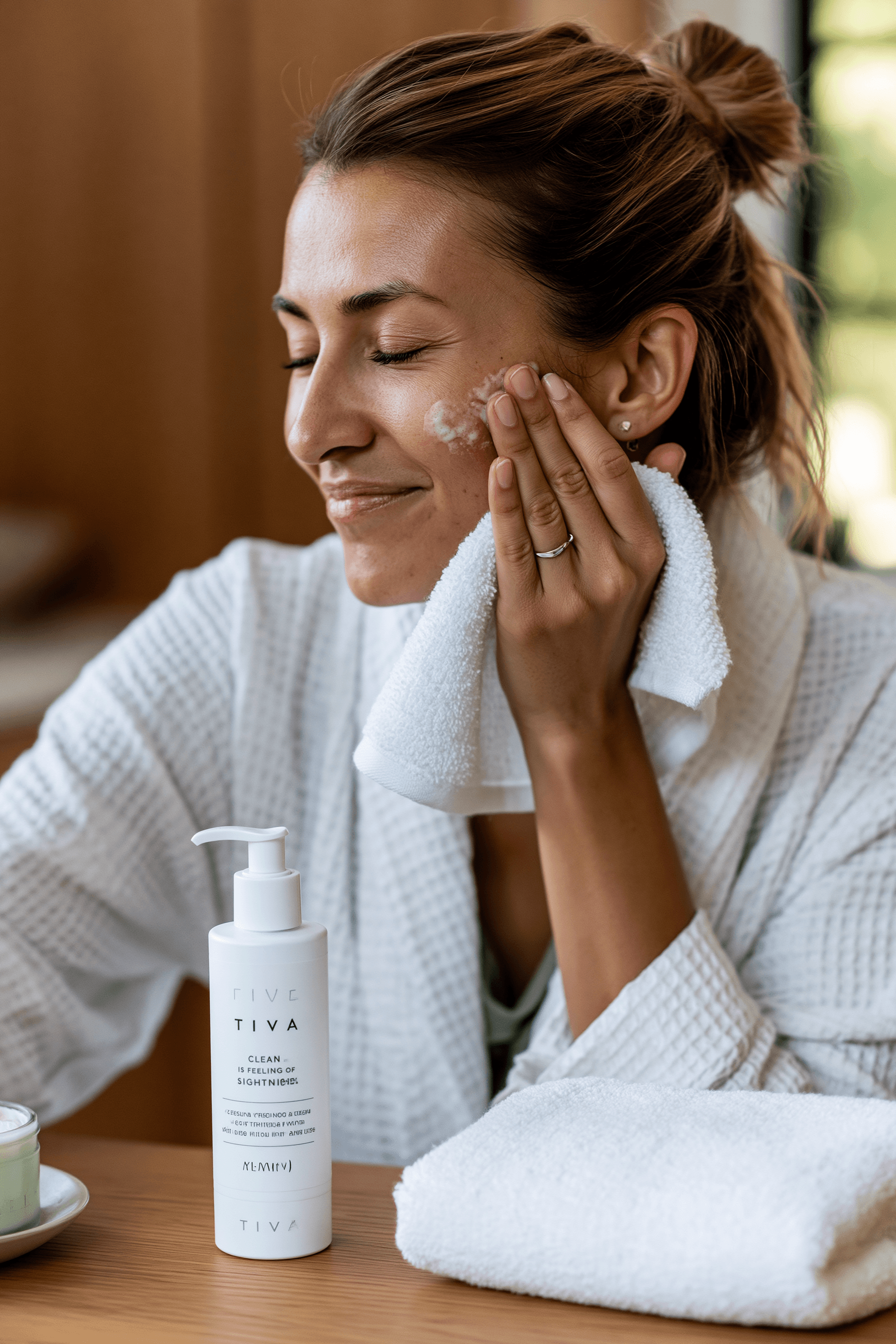
Repair is not complicated, but it demands patience. Strip your routine to its essentials: a gentle cleanser, a ceramide-rich moisturiser, SPF in the morning. Introduce nothing new. No actives, no exfoliants, no serums with long ingredient lists. Give the barrier the quiet it needs to rebuild itself — typically four to six weeks of consistent, minimal care.
— A NOTE IN THE MARGIN
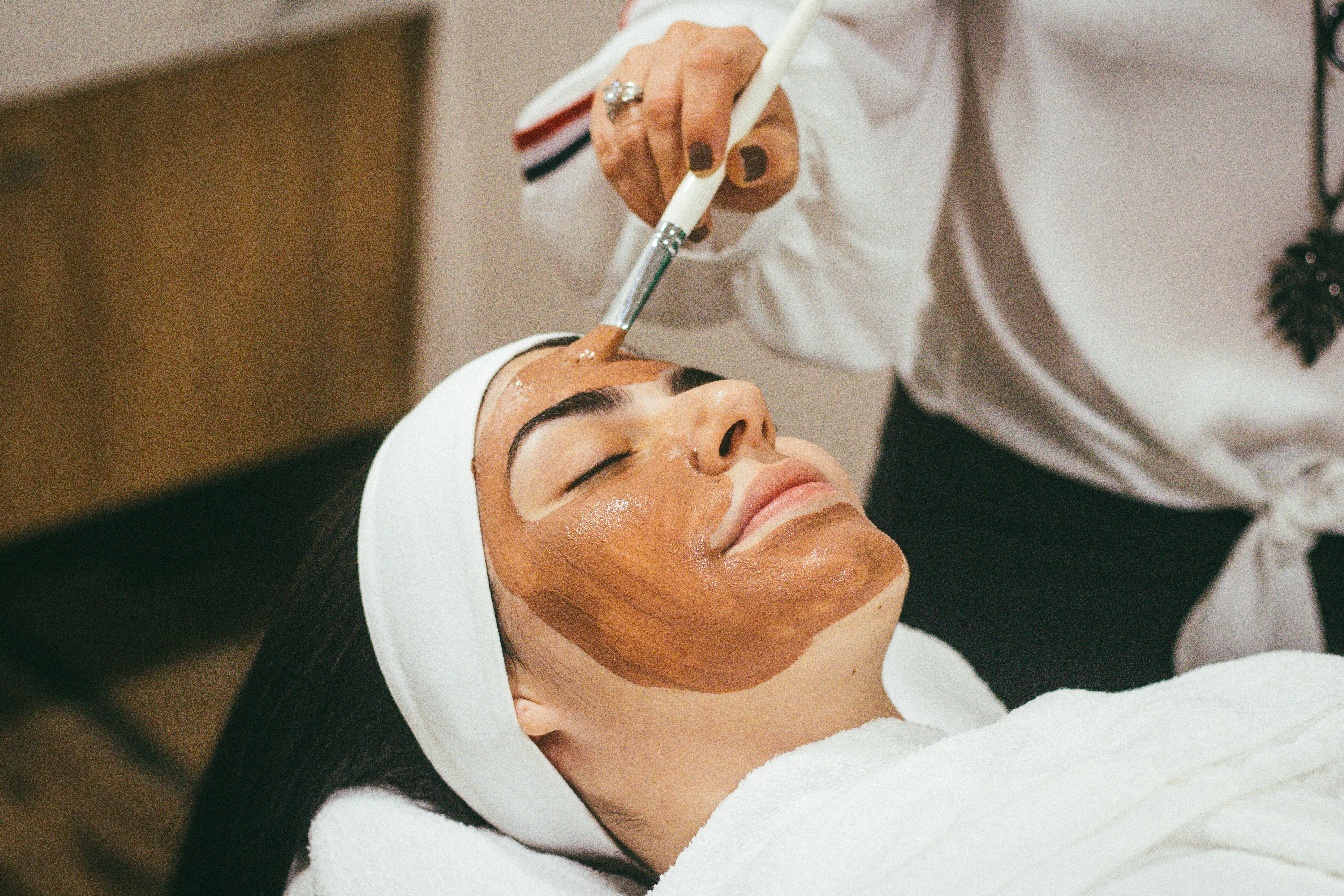
"The skin does not lie. Every product you've ever used, every night of poor sleep, every moment of stress — it is all written there, if you know how to read it."
Notes & references
Note 1
The Ingredients That Repair
Ceramides, niacinamide, panthenol, and squalane are the four pillars of barrier repair. Look for these in your moisturiser. Avoid anything containing alcohol denat, synthetic fragrance, or strong acids until the skin has recovered.
Note 2
On dermal remodelling
Collagen synthesis, by contrast, is patient work — measured in months, not weeks. Most clinical endpoints in the literature land between week 12 and week 24 post-stimulus.
Note 3
A note on this piece
Written in the consultation room over four mornings. Edited with Helena Park. Errors are ours; the patience is the body's.
Speciality
— Ch. 05 · Continue reading